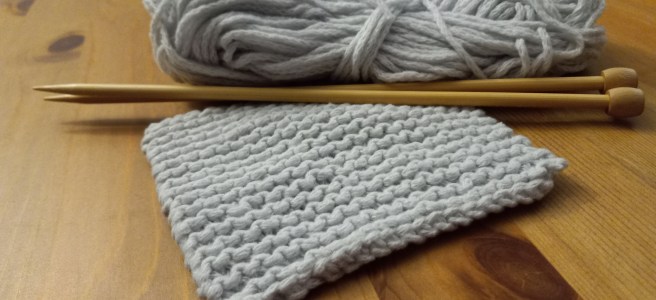
I think if there were to be a mascot for grade one handwork, it would be the humble knitted square. Quick to create and endlessly versatile, that first blessed square to come off those knitting needles is an accomplishment indeed! It is the first big step into the new world of building purposeful skills for later self-sufficiency.
I think that our impulse as guides for our children is to move on from the square as soon as they can knit one. Set them up for bigger and better accomplishments. To move on to colour changing and purling and adding and reducing stitches. Oh, the things we’ll create!
But what if we choose to stick with that humble square just a little longer? What if we sat in the comfort and predictability of garter stitch knitting, creating square after square, maybe creating a rectangle or two as well, adding in some colour changes, and magically transforming each one into something you’d never thought could come from a square?
We adults often approach things from an adult mindset. We might look at a child knitting a square and think they will get bored knitting only squares for projects. But, we know children THRIVE with repetition! And staying with one task for a longer time allows time to really hone those foundational knitting skills before adding anything else to the mix.
You might be wondering: How many projects can you possibly make with just squares and rectangles? What are the limits of the square?
When I said endlessly versatile, I meant it! There are so many things you can make with a square!

A simple knitted square has many practical uses. It can be used as washcloths for faces, dishes and tables. What a joy it is for children to use something they created, and be able to use it multiple times a day! To further the idea you could gift these to others. Friends who love working in the kitchen could get a stack of squares wrapped around a wooden spoon. Friends who are blessed with a new baby could get a stack with some soap and baby towels.
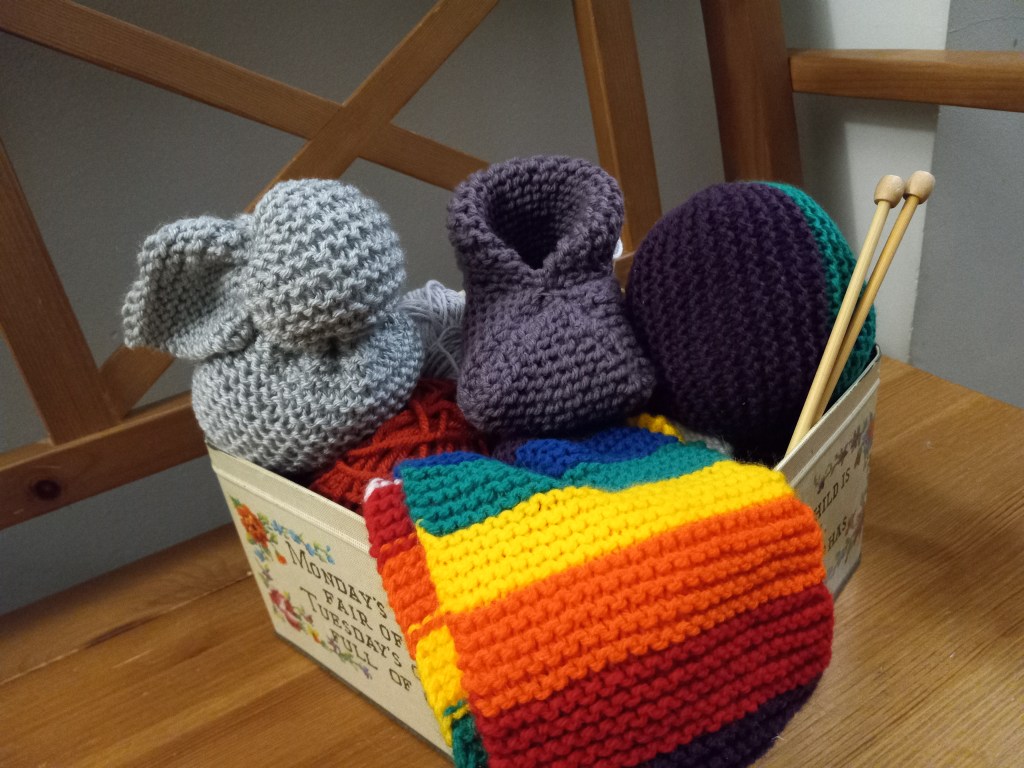
Next, the classic Waldorf magic square project, turning a knitted square into a bunny. Now, I question the practicality of stuffies, but children most certainly do not! They LOVE creating a little creature to love on and cherish. And the magic of changing a square to a bunny with the pull of a string leaves them awestruck. For those not interested in bunnies, two squares can be knit together to make an owl, adding an extra tuck stitch in the corners to make ears.
To get back to a more practical project, a satchel with a finger-knitted shoulder strap and a large button can hold keepsakes found on nature walks.
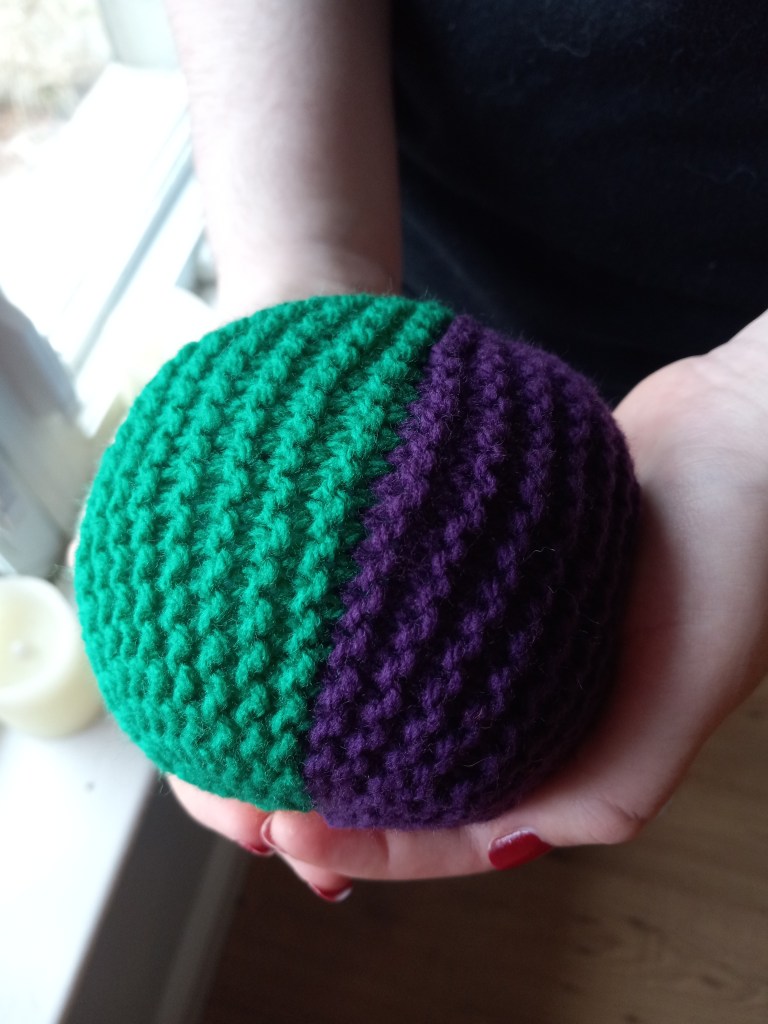
Moving on to a more rectangular shape, many make the standard Waldorf knitted ball and the “Nose to Toes” scarf. Taking that further, fingerless gloves can be easily created by folding a rectangle in half and leaving a hole in the seam for the thumb. Book pockets are just two rectangles sewn together! Ear warmer bands are another simple rectangular garter stitch creation.
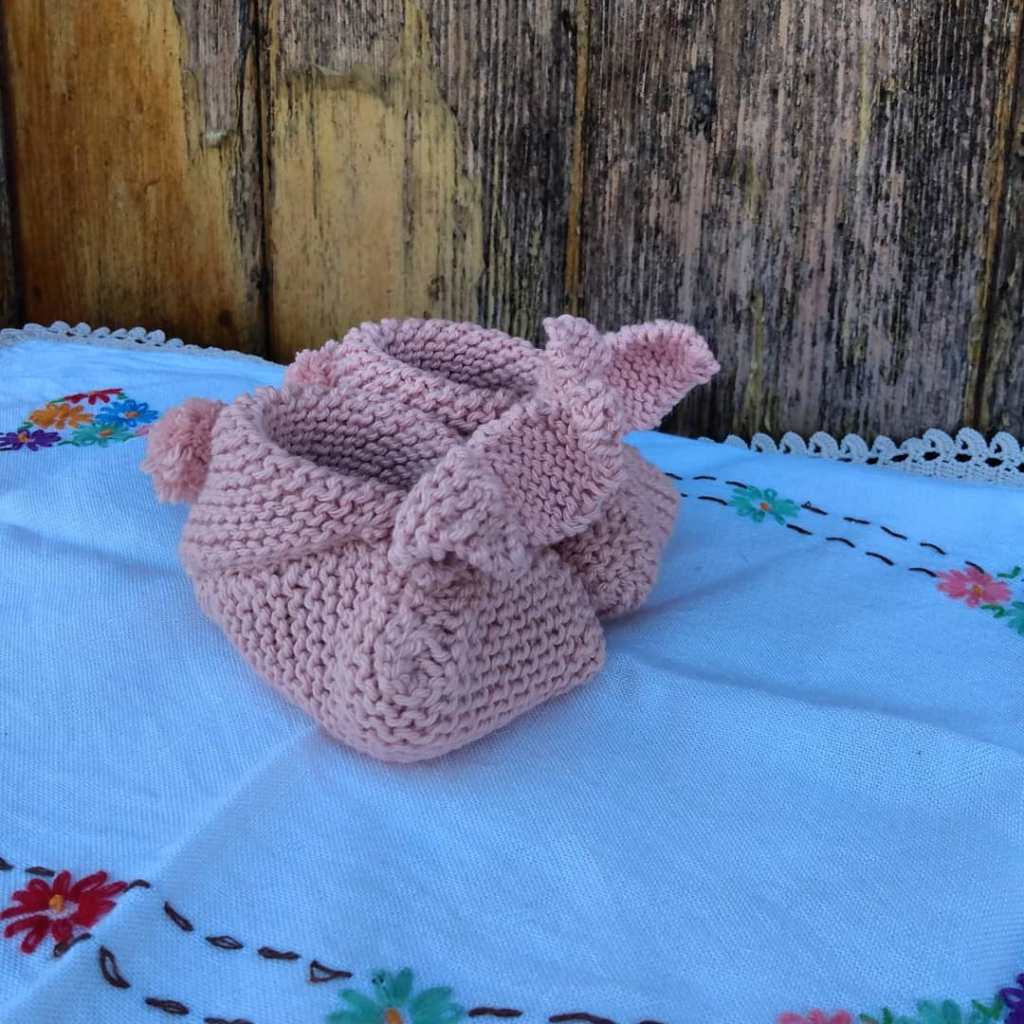
And, of course, there is always the blanket built from squares. A time-honoured tradition of using up all those ends to create something beautiful to keep the family toasty warm. And then, if you are feeling adventurous, slippers can be made with three squares folded and seamed together. These make great slippers for all sizes, but especially little baby feet. Adding ears and a bunny tail ups the cuteness factor!
I could go on, but I think this is a pretty good start! I wouldn’t recommend doing all these projects in one year, but spanning them across two or three and mixing them up with other projects in between. Breaks between projects are important. Abilities have time to sleep and build in the soul while the children work on other skills and each time they come back to knitting the humble square they will refreshed and ready to tackle something new within the old.
If you are starting handwork with your children, I encourage you to spend some time with squares. Learning how to turn squares into so many other items is a beautiful experience. I believe it also helps adults and children build flexibility in thought. Where others see something quite limited, knitters of the humble square now see beyond the horizon. And what a gift that kind of thinking can be.
I leave you with a quote about purposefulness from Steiner:
The starting point in handwork and the crafts should always be the purpose to be served by the object in question. This is what determines its colour and form. The children should not do “studio work” (ie mats whose function is purely ornamental). In every case we must take into account the purpose which the object has to fulfill in life – that is the meaning of handwork.”
Steiner, Handwork: Indications by Steiner by Hedwig Hauck
Blessings on your knitting adventure!
Marina

Want to learn more about introducing handwork in grade one? Join us on Thursday January 12, 2023 for a Grade One Overview workshop where I take you through the subjects introduced and give you ideas for implementation. For more information and to reserve your spot, click on the picture to the left.
Discover more from Growing Together in Freedom
Subscribe to get the latest posts sent to your email.

