As home educators, we are in a unique position to teach truth in history. Right now, many Canadians are reeling with the news of the many unmarked grave sites at residential schools funded by our government and run by churches. The first thing my son asked is why so many Canadians were surprised and shocked? It is knowledge that has been a part of our homeschool from the beginning. Not pigeon holed into a certain month or day, but a part of our regular lessons and reading. If you listen, indigenous people have been telling us about the evils of these schools and colonists for decades.
It is never too early to start introducing your children to real history. There is a fear in introducing the horrible atrocities like slavery, genocide and racism, that it will be too much for young children and take away their short and innocent first years. While I do agree that some topics are better left until later on in a child’s development, there is always room to start building connections to different cultures so when these topics come up, they have a preliminary understanding of the cultures affected. Starting with the stories, myths and fables of indigenous cultures from your land and around the world when children are small is a concrete way of building those first connections to history.
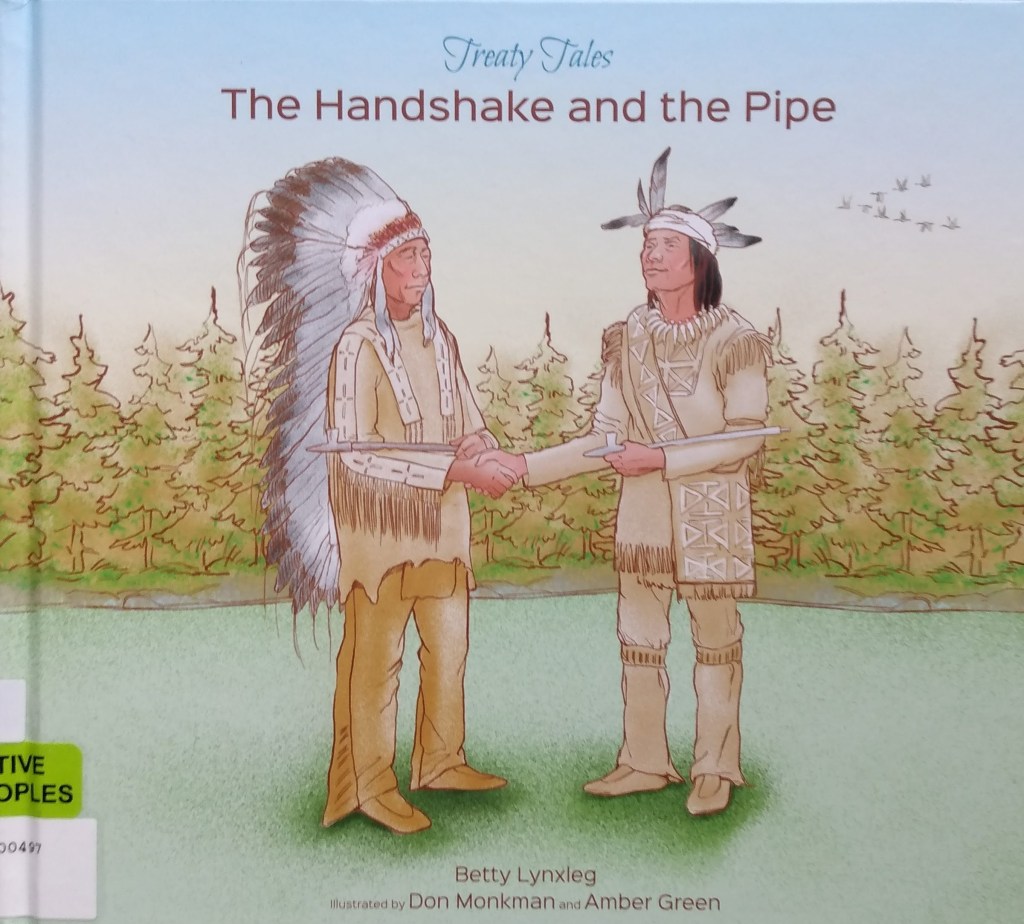
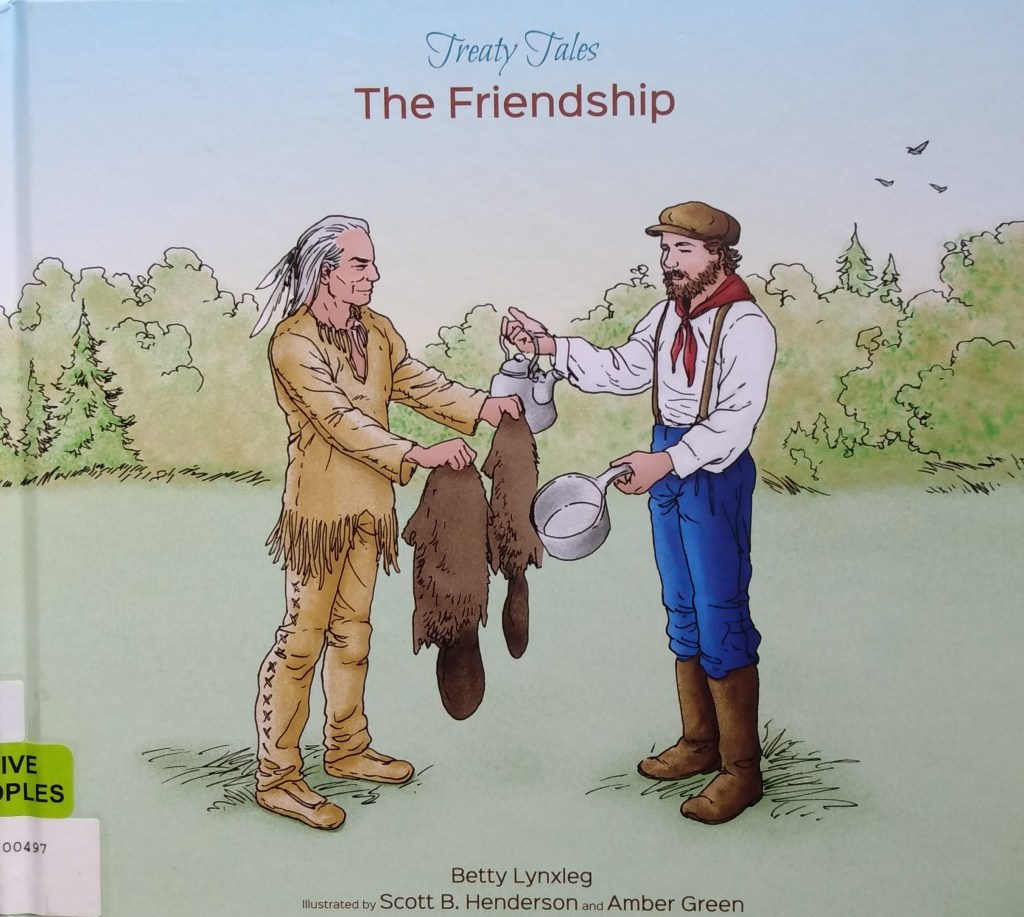
As children grow, stories through picture books expand on those feelings of connection. These picture books by the Manitoba First Nations Education Resource Centre are a wonderfully gentle introduction to the language and history of treaties. Treaty Tales is a three part book series by Betty Lynxleg and illustrated by Amber Green, Scott B Henderson and Don Monkman, that follows a young girl, Aaniin and her kookoo (grandmother) as she learns about the past through story. The stories provide introductory language and a window into how treaties should have unfolded. They do not go into the devastation colonists caused, but plant the seed for further investigation and understanding.

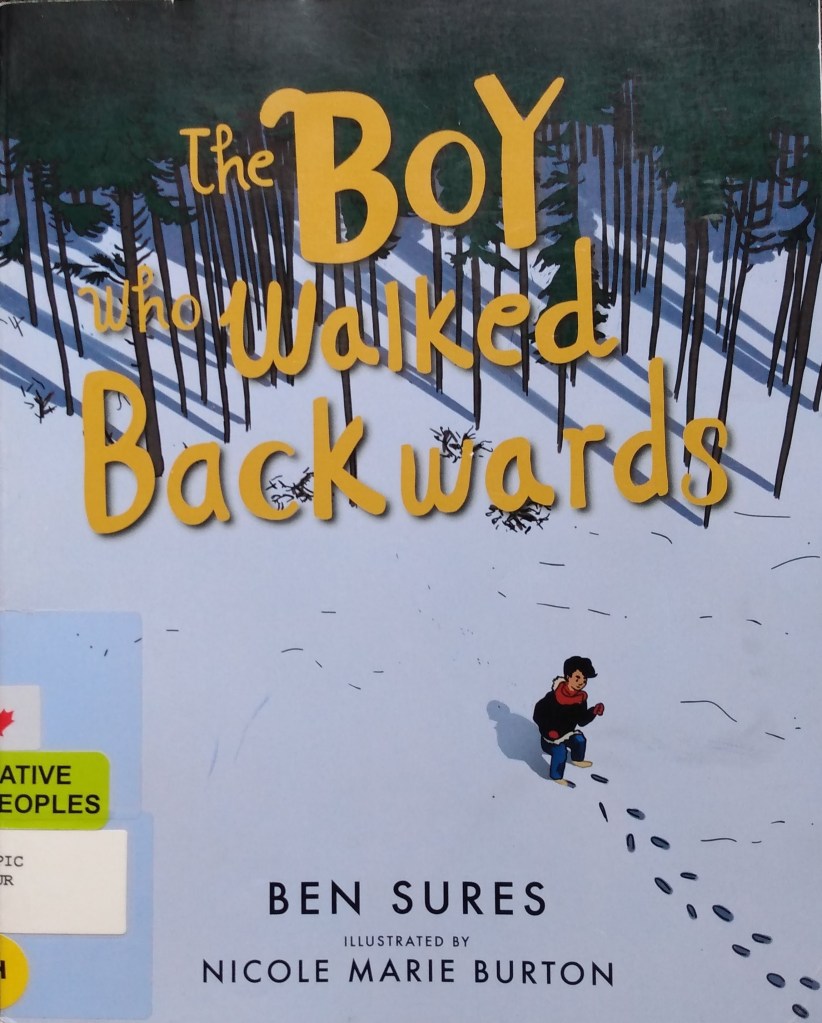
The Boy Who Walked Backwards by Ben Sures and illustrated by Nicole Marie Burton is a little more advanced in detail, and is about a boy who decides to thwart the system so he can stay with his family instead of returning to the residential school. It touches on the basics of what it was like to be in a residential school, but is gentle enough that it leaves much room for further learning when the time is right for your child.
The number of quality books, written by indigenous authors, is rising every day. I encourage you to search them out, request them if your library doesn’t have them, buy them directly from indigenous publishing houses. Fill your house with truth so that we can continue to evolve as humans.
Discover more from Growing Together in Freedom
Subscribe to get the latest posts sent to your email.

