“You can see that a great deal must be incorporated into teaching geography, so that it can become a kind of summary of everything else we do with children.” Rudolf Steiner Lecture 11, Practical Advice to Teachers.
Planning our geography block has been such a rewarding experience. I thought that Norse Mythology was my favourite to plan, but geography has now taken first place! At first I was a bit apprehensive. Geography was not a strong subject for me in school as I have poor fact recall, and I knew I wanted my children to have a much deeper connection with the subject then I experienced in school. But I also didn’t want to plan from a place of fear and past-thinking. So I turned to my trusty Steiner lectures to see his ideas on how geography could be approached.
My favourite lecture regarding geography is Lecture 11 from Practical Advice to Teachers. Here, he goes into great detail about how he would go about introducing geography to children, starting at age nine. Why age nine? Around this time, children come into a new level of consciousness, and begin to realize that their inner world is separate from the outer world. They are now ready to learn more about the world around them as they discover and explore this new consciousness.
Now, just as I’m not one for grades, I’m also not one to do something just because my children have hit an age. Following Steiner’s indications is so much more than following a checklist of whens and hows, so I strongly suggest you observe your children, and when you see their consciousness awaken to the outside world, they are ready for geography! Geography will continue through the fourteenth year (and beyond if you chose to focus on that specialty), so you don’t need to worry about cramming it all into one year. There is so much time! And as the quote at the top of the page states, so many things can be incorporated into learning geography, it will tie in nicely with many other subjects through the years.
So, your child is showing signs of this new consciousness, now what? Steiner recommends first helping children to see the land around them from a bird’s eye view. Again, remember, we are entering a new level of consciousness, so instead of them being “within” their surroundings, as they have been until now, they are ready to see their surroundings from the outside. To help bring the abstract to the concrete, we can transform that information to a drawing by bringing to their attention the different types of topography and vegetation and having them create a map. Adding things like trees, fields, rivers, farm crops, lakes by using simple illustrations as a key will strengthen their understanding of the land from above.
Another key component of bring geography to the children is making connections to how we use the land. Steiner refers to this as the economic structure of the district. We use rivers for travel, mining to gain minerals, the rich soil of a valley for farming etc. By presenting geography in this way, we slowly awaken in the children the understanding that the land and our lives are connected. We can then also start adding in human made structures like railways and canals, to see how humans have used land to help their living conditions.
Steiner also warns us against getting too pendantic, that is, continuing to spiral out from the centre and only following that path when teaching geography. He stresses once the children have an understanding of connections between nature and humans you can branch out in any way you see is needed.
After this explanation, can you see how geography connects so nicely with the shelters block and fibers block? And later on, the botany block? And further still, the mineral block? Geography, when brought to the children in a way that paints a picture of how nature and humans are connected, really *is* a summary of everything we bring to children.
I’m going to share how I’m approaching geography this year, but PLEASE do not feel like this is the path you need to walk. Your children might have different needs and will lead you down a different path.
We started our block with a look at Ontario and all the places we have visited. We live in the core of a large city, so we incorporated our rivers and lakes that were a very important part of why our city expanded the way it did. Those rivers and lakes brought around a bigger picture of Ontario, and let us travel to spaces and places we have visited, such as the Niagara Escarpment, the Oak Ridges Moraine, The Holland Marsh, Sudbury (mining town), and a few port towns with specialty crops used to build their economy.
As we went along our explorations, we added each landmark on the map to create a larger picture.
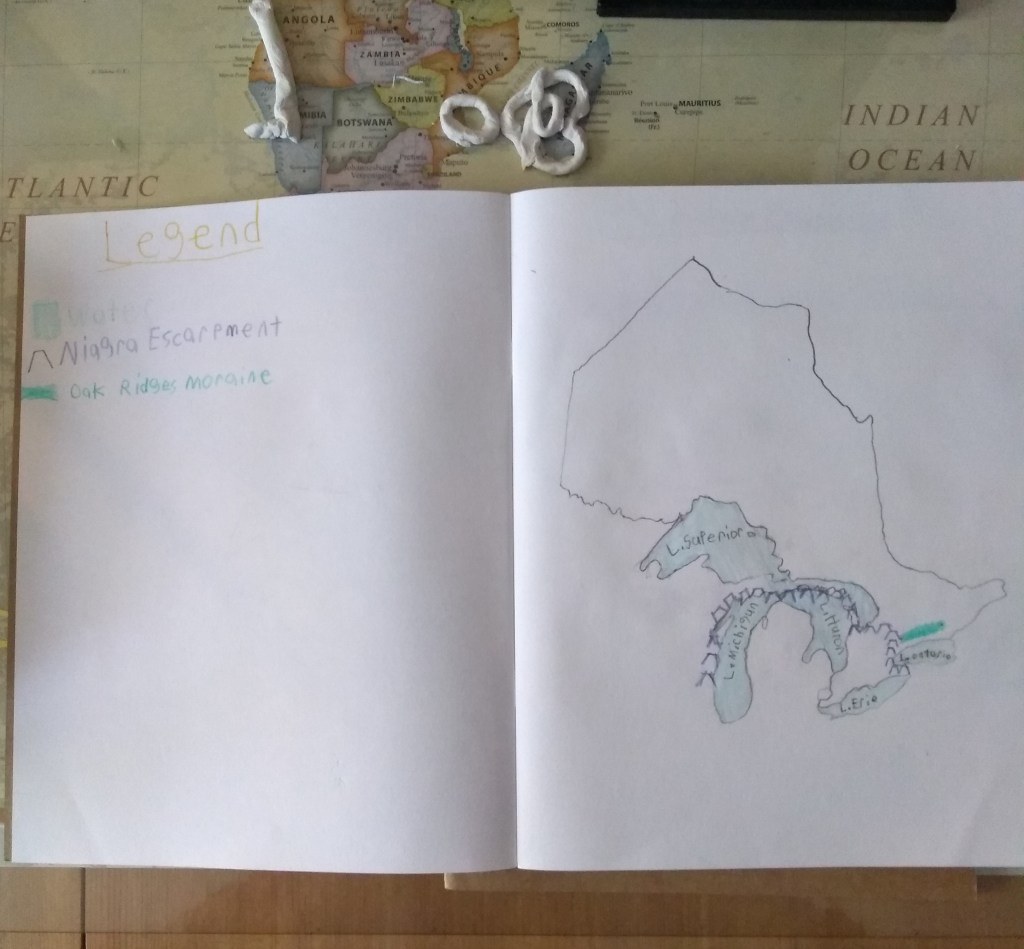
And along the way we created artistic interpretations, took trips to visit the areas and watched documentaries.

All the while, adding to our maps…
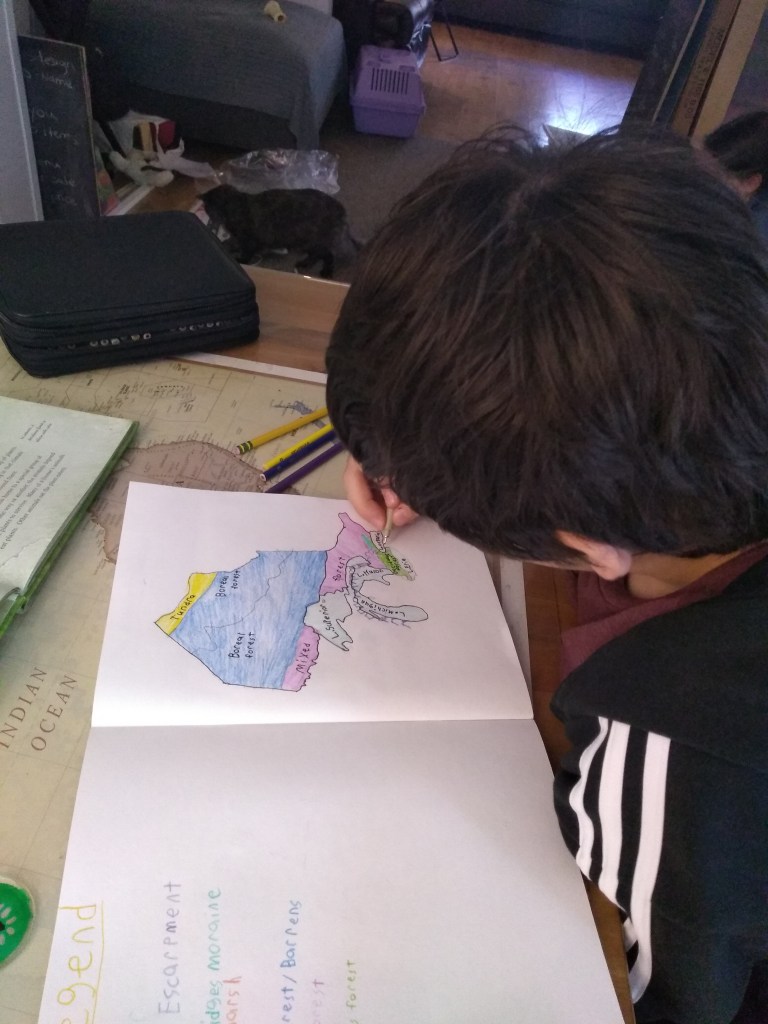
By the end of our first block, the children had a really good feel of the land from above, as well as it’s resources. We ended the block with a look at the Boreal forest, and stopped there to let it rest. This block took a total of six weeks.
When we came back after the Christmas break, we dove straight into the forest structure again, but this time we are looking at all of North America as well as the indigenous communities that used the land before contact from Europe. So first, we discussed, read about and visited the forests, which was easy because it is where we live and play! We covered climate, animals and plants that inhabit the forest and each zone of the forest.
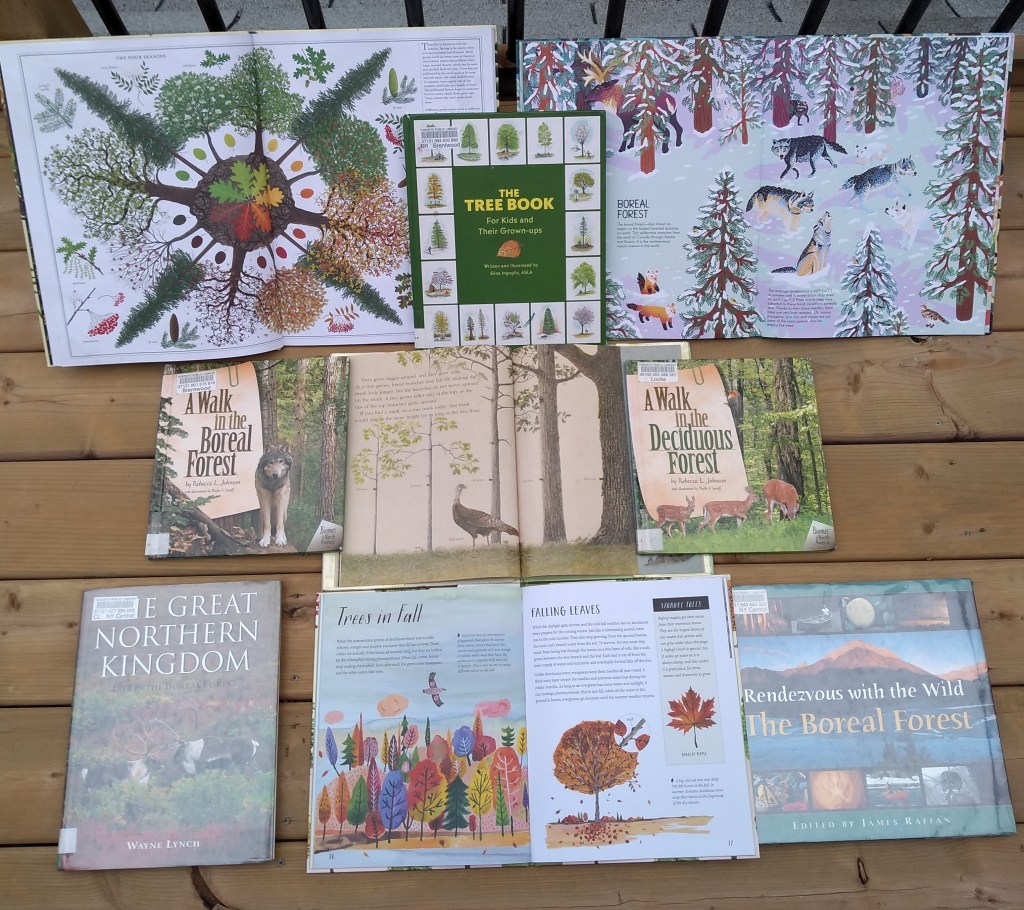
Again, we visited the area through an artistic interpretation, and the children created little flip books of facts about each forest, as well as sketches about the way people used to live in the woodlands.

To learn about the indigenous people and how they used the land we are really enjoying this series of books by Beech Street Books. Each book discusses how a specific community’s way of life was influenced by the climate and land, shows maps of traditional lands and current land occupation and also discusses their modern day lives and how they are working towards reclaiming the culture of their ancestors.
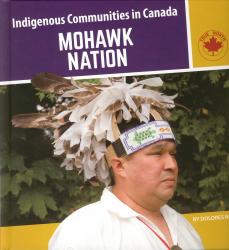
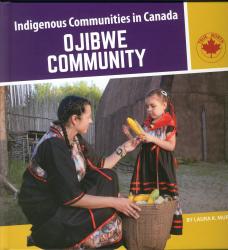

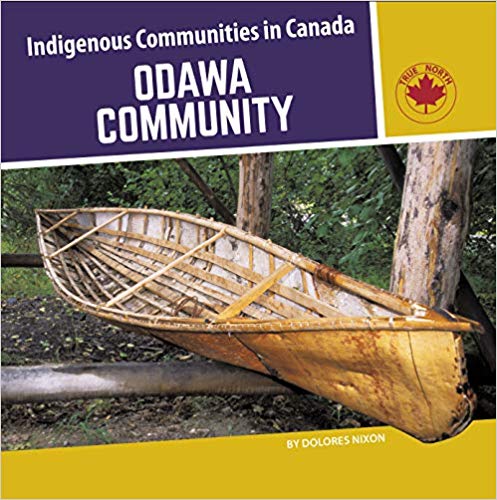
When we moved on to the Tundra, I came across this wonderful documentary series, Arctic Secrets, and we have slowly been working our way through the episodes.

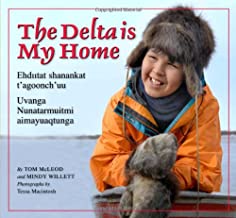
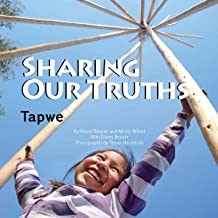
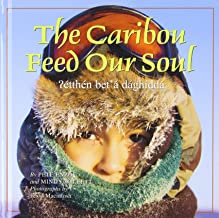
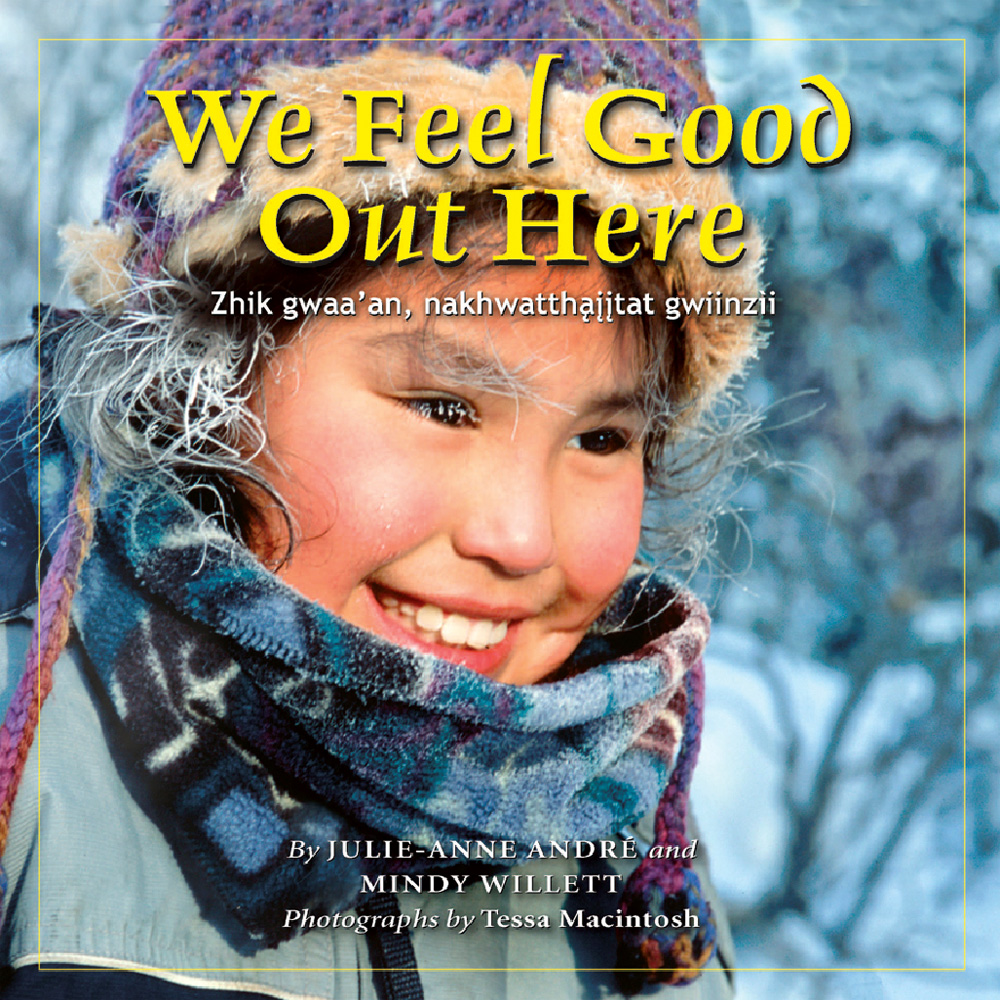
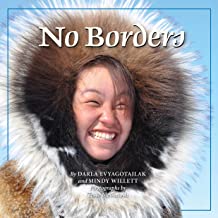
We also came across this amazing book series by Fifth House Publishers, The Land Is Our Storybook Series. It tells the story of various Indigenous families living in the Northwest Territories from their point of view, sharing their histories, the culture of their communities and how they are working to reclaim what was lost after European contact. While these are certainly non-fiction picture books, I would say they were for older children, or children that are not sensitive to hunting themes, because there are a few pictures within of their hunting practices and how they use the hides. They really are a thorough look at both history and present time, and what I love about them is that they speak right to the children in a way that is conversational and warm, and clearly show their connection to the land and that the land can be used in a respectful and honourable way.
The tundra is where we are right now, next week we will be working on a few lesson pages to summarize what we have discovered, and then we will move south in the same matter to the grasslands, desert and rainforest. From there, we will move into ancient civilizations of the Americas before we move over to Atlantis.
Whew! That was a lot of information! My goal in sharing is not to say there is one way of doing things. It is to show you this is *one* way, and by using Steiner’s indications as a guideline for the observation of our children, we can all create an education for our children based on their needs, meeting them where they are, regardless of age, grade or checklist!
Do you have any resources or ideas that you’ve used during a geography block? Please share in the comments below. I’d love to hear from you!
Cheers,
Marina
Discover more from Growing Together in Freedom
Subscribe to get the latest posts sent to your email.

